Wednesday, 6 April 2022

Why Occupational Health and Safety Ought to be a Requirement in all Workplaces

Image source: kayaconnect.org

Most people would agree that occupational health and safety is important in all workplaces. After all, who would want to work in a place where they risk injury or illness, notes health and safety specialist Captain Martin Sanders, Ph.D., CSP.


However, as Capt. Martin Sanders explains people do not realize that occupational health and safety is not just about preventing accidents; it's also about creating a safe and healthy work environment for all employees.

A Safe Work Environment For All


There are many essential benefits to having a robust occupational health and safety program. For example, it can help reduce the number of workplace injuries and illnesses, saving businesses money on workers' compensation costs. It can also improve employee morale and productivity while creating a safer work environment.


There are many valid reasons to have an occupational health and safety program, but there are also some important things to keep in mind when creating one. Here are a few tips as shared by Capt. Martin Sanders:


·         Ensure that everyone is aware of the Occupational Health and Safety Act and the regulations that apply to their work.


·         Educate the people who work in the area about potential hazards in the workplace and how to avoid them.


·         Ensure that every piece of machinery and equipment is adequately maintained and safe to use.


·         Provide personal protective equipment (PPE) to employees who may be exposed to hazardous materials or conditions.


·         Establish emergency procedures for dealing with accidents and incidents.


·         Regularly inspect the workplace to identify potential hazards and correct them.


By following these tips, you can create a safe and healthy work environment for your employees and help reduce the risk of workplace dangers and hazards. 


Would you add more to the list? If so, what tips would you include? Feel free to share them with Capt. Martin Sanders in the comments below.


For more discussions on occupational health and safety by Capt. Martin Sanders, Ph.D., CSP, bookmark this link.


Disclaimer: This site was prepared by Martin Sanders in his personal capacity. The opinions expressed are the author's own and do not reflect the views of the USPHS, the Department of Health and Human Services, or the United States government.


Wednesday, 24 November 2021

Air pollution and public health

Image source: nrdc.org
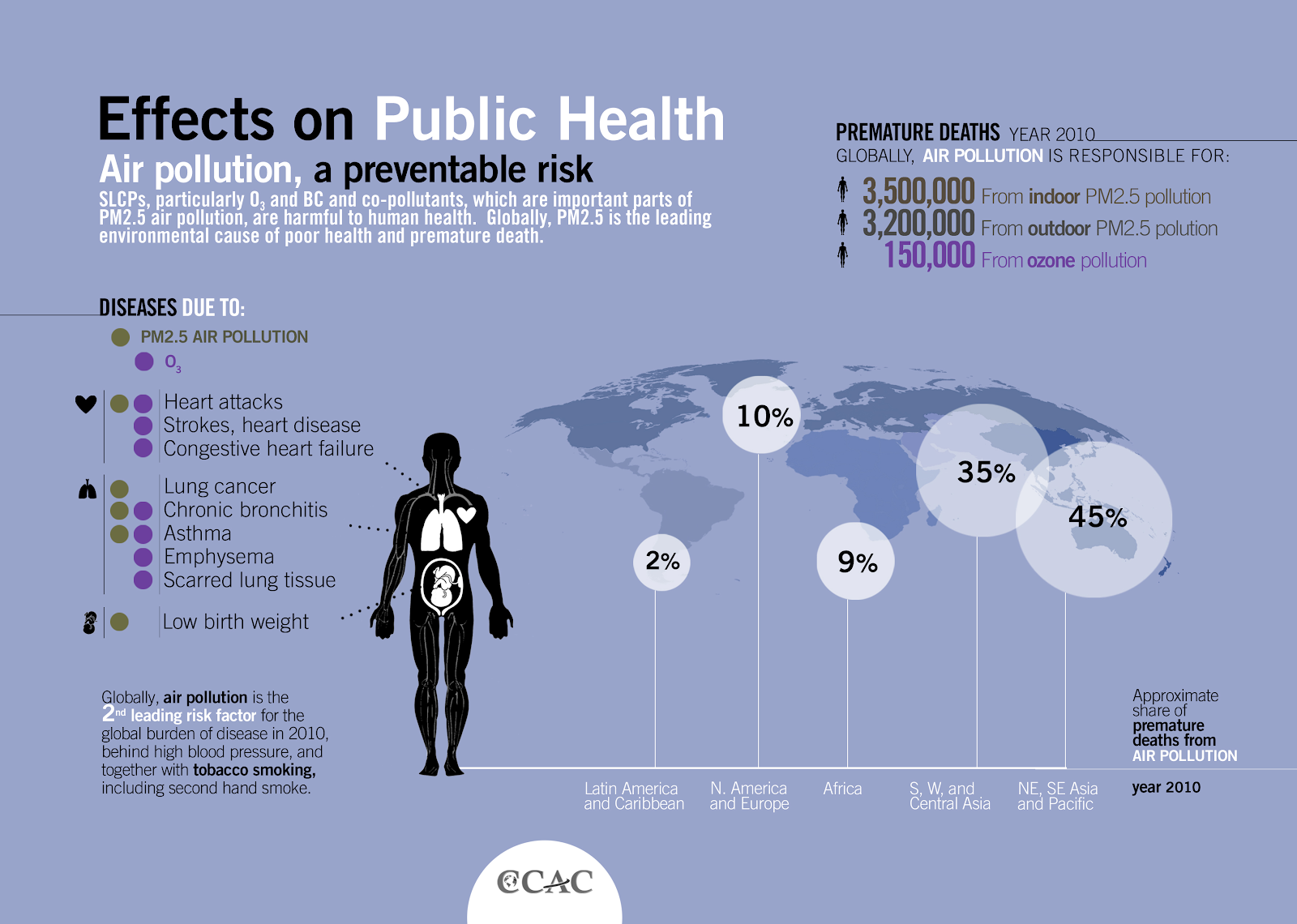
Occupational health and safety concerns continue to become a serious matter today, notes safety expert Martin Sanders. There are consequences to having a developing world, and one of these is the increasingly poor quality of air. Certainly, air pollution becomes a challenge for public health.

This blog shares several facts that are worth looking at:

1. The biggest environmental risk of early death

It might surprise you to find out that air pollution is the biggest environmental risk of early death. Statistics show that this is responsible for 1 out of every nine deaths. That points to about 7 million deaths each year, and it is worth noting that this is more than the annual fatalities due to HIV, notes Martin Sanders.

2. More widespread than you would expect

There are 500,000 deaths related to air pollution each year in Europe, while there are 300 million people who live in places that have been tagged to have extreme air pollution. These places include India and China, where toxic fumes are six times higher than international guidelines.

Image source: grida.no

3. A warning on tiny particles


According to experts, the most dangerous type of air pollution is characterized by the presence of tiny particles. They cause serious damage to the lungs, but this is the bare minimum damage they can cause. When these enter the bloodstream, they can poison various organs inside the body. Often, these are made of nitrates, sulfates, and mineral dust.

Capt. Martin Sanders, Ph.D., is a scientist and a commissioned officer of the U.S. Public Health Service. He continues to provide his expertise in public health and occupational safety by acting as a consultant. For updates, visit this page.

Disclaimer: This site was prepared by Martin Sanders in his personal capacity. The opinions expressed are the author's own and do not reflect the views of the USPHS, the Department of Health and Human Services, or the United States government.

Wednesday, 27 October 2021

Psychological safety as it relates to occupational health

Martin Sanders has developed a keen eye for matters that affect occupational health and safety because he truly understands its purpose. In fact, a lot of the success of occupational health and safety has to do with other aspects, which may not be obvious. In this entry, he talks about psychological safety as it relates to occupational health.

In Canada, psychological safety has become more inclusive in occupational health and safety policy, as directed by no less than the government. Prince Edward Island (PEI) Director of Occupational Safety Danny Miller himself pointed out the responsibility of employers in ensuring the safety of their people. He also made particular mention of the prevention of harassment in the workplace.

The need to revisit regulations and take in newer inclusions have undoubtedly resulted from a 2013 incident, which saw an employee die due to workplace bullying and other forms of workplace stress, based on the findings of the Workers Compensation Board.

While some things still need to be ironed out in the actual legislation that would take in new inclusions, the PEI government has already issued a statement notifying all employers of the changes that will eventually take effect. In the meantime, they are expected to take the time and the effort to prepare themselves and their organizations for the new rules.

Image source: hrmagazine.co.uk

This development is a testament to the quick recognition of the people in authority of the reality of workplace bullying and harassment, especially how this can pose a threat to employees' lives in the workplace.

As an expert in occupational safety and health, Capt. Martin Sanders has been helping out many business institutions in keeping their workforce more resilient against various challenges. For more updates, visit this page.

Disclaimer: This site was prepared by Martin Sanders in his personal capacity. The opinions expressed are the author's own and do not reflect the views of the USPHS, the Department of Health and Human Services, or the United States government.
Monday, 20 September 2021

Change of habit: Make your office more environmentally friendly with these easy ways

Image source: thebalancesmb.com 
Martin Sanders has been helping many organizations become more environmentally compliant, and often, people have attested to the kind of revolutionary impact his wisdom has brought to many organizations. However, Martin believes that even the little things can already make a difference. This blog shares some habits that can make the office more environmentally friendly.

Make your waste smaller

The simple act of making waste smaller before you chuck it in the bin maximizes space. Doing this ensures a more efficient collection of waste, thereby reducing the frequency that collection has to be made in your office. In addition, according to Martin Sanders, it saves a lot on garbage bags that are made of plastic, whose consumption rate badly needs to be reduced.

Use both sides of the paper

Many offices have gone paperless, but there is still a need to use paper sometimes. For example, if you are drafting a piece of communication or any official document that needs to be reviewed, it's best to use the clear backside of an older piece of paper. There are still those who print as they please, which is truly a result of a force of habit. However, changing it for the better can make a huge difference in an office's collective waste production.

Bring your own bottle

Water bottles available in the convenience store or the grocery are often made for single use. Considering that you might need to consume 4 or 5 of those in a day, that shows how much waste is produced. On the other hand, a reusable bottle or flask can serve as much for a long time, bringing down the volume of plastic bottle use at work.

Capt. Martin Sanders, Ph.D., was appointed by the Surgeon General as the Chief Scientist for the U.S. Public Health Service and had behind him more than a decade of service in the occupational safety and health sector. For more about his work, visit this page.

Disclaimer: This site was prepared by Martin Sanders in his personal capacity. The opinions expressed are the author's own and do not reflect the views of the USPHS, the Department of Health and Human Services, or the United States government.

Wednesday, 21 July 2021

Common health hazards at work and how to prevent them


The Occupational Safety and Health Administration regards workplace hazards as risks or those threatening a workplace duty or environment. If these hazards remain unattended and unassessed, they could lead to injuries and illnesses among employees. Employers are given the responsibility to provide employees a safe and secure space to work, shares Captain Martin Sanders, Ph.D.

Image source: opensourcedworkplace.com

Among the workplace hazards present in the workplace are biological hazards, physical hazards, and chemical hazards. Biological hazards come from organisms, animals, plants, and humans, posing a threat to a person’s health. Typical examples of these are molds, blood, bodily fluids, and sewage. In general, people experience allergic reactions when exposed to these, causing them to pause from work.

Image source: workplaceemergencymanagement.com.au

Workplace hazards that are corrosive, toxic, combustible, and flammable are called chemical hazards. These put a person’s life at risk when they inhale, ingest, or touch it. Harmful and acute burns, vomiting, irritation, asthma, and other chronic or critical issues may arise from these. Physical hazards deal with natural elements and activities in a workplace that can put a person’s life in danger. Poor air quality, extreme temperatures, excessive noise, and radiation exposure are categorized as physical hazards, which can cause hearing impairment, cancer, respiratory issues, and other health problems.

According to Captain Martin Sanders, Ph.D., the best way to prevent these is to employ safety managers in the workplace to reduce the consequences of environmental hazards. They investigate and analyze the workplace environment to effect necessary changes or health and safety standards to prevent employees from falling due to environmental hazards.

Captain Martin Sanders, Ph.D., has over a decade of service in the occupational safety and health sector. He possesses extensive experience in biological defense activities and infectious disease outbreak investigations. Head over to this blog for more updates.

Disclaimer: This site was prepared by Martin Sanders in his personal capacity. The opinions expressed are the author's own and do not reflect the views of the USPHS, the Department of Health and Human Services, the Department of Homeland Security, or the United States Government.

Monday, 21 June 2021

Musculoskeletal disorders that everyone needs to know


The body is exposed to many work-related injuries, especially when lifting or moving heavy objects beyond one's physical capacity. Capt. Martin Sanders notes that this could result in musculoskeletal disorders (MSDs) that the body may suffer from. Today's article will discuss this work-related risk and how such life-changing disabilities affect productivity.

Image source: weifieldweekly.com

Occupation is one of the risk factors in having musculoskeletal disorders; others are age, activity level, lifestyle, family history. Musculoskeletal disorders (MSDs) are conditions affecting the muscles, bones, and joints. Specifically, work-related MSDs are often described as injuries or disorders, including the nerves, tendons, joints, cartilage, and spinal discs.

Although the risk of developing MSDs increases as you get older, your work conditions may lead to it in advance. Work-related musculoskeletal disorders (WMSDs) may be brought on by performing heavy tasks, especially for construction workers, machine operators, and the like. Examples include, but not limited to, lifting heavy objects, exposure to vibration, work with the neck in a flexion position, and repeating forceful tasks.

Image source: cloudfront.net

Workers who suffer from work-related MSDs are affected in their productivity, resulting in absenteeism, increased healthcare, disabilities, and other compensation costs, explains Capt. Martin Sanders. Certain musculoskeletal disorders include tendinitis, carpal tunnel syndrome, osteoarthritis, rheumatoid arthritis (RA), fibromyalgia, and bone fractures. However, on the Center for Disease Control and Prevention website, injuries caused by incidents such as slips, trips, falls, and the like are not considered musculoskeletal disorders.

Captain Martin Sanders is a seasoned public health and safety professional with more than a decade of experience. He served as Director of Safety, Environmental Compliance and Emergency Management of the Federal Occupational Health, Program Support Center, Office of the Assistant Secretary for Administration. For similar updates, visit this blog.

Disclaimer: This site was prepared by Martin Sanders in his personal capacity. The opinions expressed are the author's own and do not reflect the views of the USPHS, the Department of Health and Human Services, the Department of Homeland Security, or the United States Government.

Wednesday, 19 May 2021

Major disciplines of environmental health


There are five major disciplines in the field of environmental health. Captain Martin Sanders wishes the public to understand the role of Public Health Officers, as he lays down an overview of each discipline that has an impact on our natural and built environments.

Image source: verywellhealth.com

Environmental epidemiology

It studies the impact of environmental exposures on human health, such as exposure to radiation, chemicals, microbiological agents, etc. However, with ethical considerations, these studies are 'observational' in nature, meaning information is gathered after exposure has occurred.

Toxicology

Unlike environmental epidemiology, studies here involve animal subjects to determine the effects of environmental exposure and to understand possible health outcomes in humans. Careful analysis and interpretation must be considered since animal- and human biology are significantly different.

Image source: stevens.edu

Exposure science

Studies under this discipline support environmental epidemiology by identifying and quantifying exposures. It describes the exposure and its impact on health, identifies them through toxicology study, or determines exposure levels. These are like lab results that a doctor uses to assess a person's health based on the numbers that he or she sees.

Environmental engineering

The main goal of this discipline is to protect human health, the health of organisms, and the quality of the environment. To achieve this, environmental engineers devise solutions such as wastewater management, recycling, air and water pollution control, among others.

Environmental law

This is simply concerned with statutes, regulations, treaties, common laws, and customary laws which govern and addresses human activity and its impact on the environment.

Captain Martin Sanders, Ph.D., is a seasoned public health and safety expert with more than a decade of service in the occupational health and safety sector. He was Director of Safety, Environmental Compliance and Emergency Management of the Federal Occupational Health, Program Support Center, Office of the Assistant Secretary for Administration. He recently obtained a certification as a Certified Safety Professional (CSP) awarded by the Board of Certified Safety Professionals. For similar writings, visit this page.

Disclaimer: This site was prepared by Martin Sanders in his personal capacity. The opinions expressed are the author's own and do not reflect the views of the USPHS, the Department of Health and Human Services, the Department of Homeland Security, or the United States Government.

Tuesday, 27 April 2021

Maintaining best practices in construction site safety


Construction sites are one of the best examples of why occupational safety must be observed. The hazards are everywhere. Martin Sanders suggests that contractors maintain site safety practices monitored and checked by a competent safety officer. Here are some of the best safety practices that should be maintained on-site.

Image source: ohsonline.com


Safety training

Construction workers should be made aware of the hazards and safety of the construction site. Workers or subcontractors must undergo proper safety training before entering the area. It is the responsibility of the general contractor to provide written and hands-on training to its employees. Online resources are even available, where training tips and safety education are provided by the Occupational Safety and Health Administration (OSHA), notes Martin Sanders.

Proper site equipment

A construction worker must always wear proper PPE (Personal Protective Equipment) while on-site. These could be high visibility clothing making sure they could be seen, safety boots to protect their feet, and hard hats against falling debris. But proper equipment should not be limited to wearable gear only. Construction workers should also be hydrated with available water to drink. There should also be designated areas for rest.

Image source: cedtechnologies.com


Basic medical procedure

OSHA recommends that a trained first aid provider be present on-site; otherwise, the site should maintain strict procedures in case of emergency. According to Martin Sanders, a first aid provider must have undergone training to acquire knowledge and skills in first aid, CPR, and the use of an Automated External Defibrillator (AED).

Captain Martin Sanders is a seasoned public health and safety expert with more than 12 years in the occupational health and safety sector. He served as Director of Safety, Environmental Compliance and Emergency Management of the Federal Occupational Health, Program Support Center, Office of the Assistant Secretary for Administration. For similar writings, visit this blog.

Disclaimer: This site was prepared by Martin Sanders in his personal capacity. The opinions expressed are the author's own and do not reflect the views of the USPHS, the Department of Health and Human Services, the Department of Homeland Security, or the United States Government.

Wednesday, 24 March 2021

How to help someone unresponsive and not breathing


When someone within your vicinity suddenly drops down for no apparent reason, that already counts as a medical emergency that could have dozens of causes. But since most people aren't doctors, it's no one's job to know what's wrong. According to public health expert Capt. Martin Sanders, it is one's civic duty to take care of each other and aid other people in similar emergencies. The job is to ensure that the unresponsive person is kept alive until the emergency response team arrives.

Image source: medicalnewstoday.com

The first thing you need to do is to see if you can get a response from the unresponsive person. To do so, shake their shoulders or speak to them using a loud voice. If they don't respond, immediately check if they are breathing or not. Look, listen, and feel for breaths near their nose. Feel the air from their nose when they exhale or see their chest rise and fall as they breathe. If 10 seconds have passed without them breathing, ask someone to call 911. If you are alone with the victim, call 911 and place the phone on speaker mode.

If there is a crowd surrounding you and the victim, tell them to back off and give you space. If you are in a government building or a commercial complex, ask people to call security and get an AED or an automated external defibrillator from any nearby clinic or nearby pharmacy.

Image source: medicalnewstoday.com


After delegating some work, proceed to do chest compressions on the unresponsive person. Place both hands at the center of the victim's chest and push down firmly at a regular rate until help arrives. According to Martin Sanders, doing more than what was mentioned, like performing an emergency endotracheal intubation without prior experience, will put the victim's life in further danger as the blood may fill their lungs, making the situation worse. If the victim regains consciousness, ask them to remain lying down or sit them up and wait for the paramedics to arrive.

Throughout his career, Capt. Martin Sanders, Ph.D., had been deeply involved in biosafety and biosecurity issues both in the US and abroad. He specializes in biological safety, field medical operations, biosecurity, occupational safety and health, infectious disease epidemiology, environmental health services, and occupational health and wellness programs. For more insightful reads on public safety, visit this website.

Disclaimer: This site was prepared by Martin Sanders in his personal capacity. The opinions expressed are the author's own and do not reflect the views of the USPHS, the Department of Health and Human Services, the Department of Homeland Security, or the United States Government.

Thursday, 25 February 2021

The safety side of events planning


For more than a decade now, Captain Martin Sanders has helped keep people safe. It is part of his job, which has also become his passion in life. In fact, over the past few years, he has maintained a series of blogs in which he discusses a broad range of topics surrounding health and safety.

In today’s blog, Martin Sanders reviews the many important points on the safety side of events planning, and updates them to show the many added measures because of the current global health crisis.

Before anything else, Martin Sanders says that while the main safety measure today would not include any events at all, the truth of the matter is, even with all the restrictions, people have kept planning, organizing, and putting together events. Events such as professional sports have resumed.


Image source: latimes.com

 
So, first thing’s first. To ensure the safety of people coming to these events, COVID-19 safety protocols have to be observed at all times. There has to be social distancing with audiences, as well as the implementation of the wearing of masks. Lines into and out the venue should be orderly where, again, social distancing has to be followed.

To achieve this, Martin Sanders mentions that security officers should be present inside and outside the venue. Depending on the event, organizers may need more security detail to cover the event.

Captain Martin Sanders, Ph.D. has more than 12 years of experience in the field of occupational safety and health. He most recently served as the acting Chief of Safety for the Department of Health and Human Services. For more articles on public safety and health, visit this website.

Disclaimer: This site was prepared by Martin L. Sanders in his personal capacity. The opinions expressed are the author's own and do not reflect the views of the USPHS, the Department of Health and Human Services, or the United States government.

Friday, 15 January 2021

Mobile technology and its invaluable role during a crisis


Martin Sanders has written several blogs on crisis management. He has emphasized the importance of every little detail regarding safety and survival in various situations. One thing that he has always pointed out was the significance of mobile technology during difficult times. 

Image source: hiplink.com

In today's world, one that is struggling with a health crisis, mobile technology has come to the forefront of businesses and has become one of the most indispensable aspects of continued operations and employee safety. Because of mobile technology, people can work from a distance and not be at risk of being infected.

In the healthcare industry, Martin Sanders points out that mobile technology has been nothing short of a miracle of sorts. He explains that mobile technology has allowed for the unbelievable to happen, not just with COVID-19 but with other crises. Nowadays, doctors, nurses, and other healthcare professionals can reach people they cannot reach physically through mobile technology and deliver observations, diagnoses, and prescriptions, which never before could have been done. 

Image source: phys.org

Martin Sanders cannot fathom what the world would be like, especially today with the COVID-19 pandemic, without mobile technology. He is very much looking toward the future and what it holds with mobile tech's continued advancement.

What about you? What are your best and most practical safety applications of mobile tech in your life today? Feel free to share them with Martin Sanders in the comments section below.

Captain Martin Sanders, Ph.D., CSP, has more than a decade of service in the occupational and safety sector. He is well-versed in biological safety, field medical operations, biosecurity, occupational safety and health, infectious disease epidemiology, environmental health services, and occupational health and wellness programs. Visit this link to learn more about him.

Disclaimer: This site was prepared by Martin Sanders in his personal capacity. The opinions expressed are the author's own and do not reflect the views of the USPHS, the Department of Health and Human Services, the Department of Homeland Security, or the United States Government.

Tuesday, 15 December 2020

What are some of the most common illnesses people experience during winter?


When the air quality becomes dry and the temperature drops, a person's immunity can weaken. As viruses and germs are easily transmitted during the winter months, one should prepare to boost their health. Captain Martin Sanders, Ph.D., an occupational health and safety professional shares some of the most common winter illnesses. 

Image source: Unsplash.com


Bronchitis

The bronchial tubes are responsible for carrying air to the lungs. When this part becomes inflamed, it can cause thick mucus and coughing. Those who suffer from bronchitis might suffer from shortness of breath, wheezing, body aches, and chest pain. Those who are experiencing the symptoms can take over-the-counter medication for cough, fever, and pain relief. Drinking lots of water and getting plenty of rest will help the body recover.

Sore throat

The cold weather can cause colds and flu. Sometimes, these illnesses can also trigger a sore throat with symptoms such as difficulty swallowing, an itchy or scratchy feeling in the throat, and a hoarse voice. As this illness is usually caused by a weakened immune system and dry air quality, Martin Sanders, Ph.D. and other health experts suggest common treatments such as gargling with salt, antibacterial solution, pain medication, and warm liquids will help ease the discomfort in a few days. 

Image source: Unsplash.com 

Norovirus

This virus can cause vomiting and diarrhea that can last up to three days. A weakened immune system can make a person prone to this illness. Even if a person can recover from this virus in a few days, health professionals like Martin Sanders, Ph.D. recommend patients to prevent dehydration by drinking fluids and oral rehydration medication. Those who are experiencing the symptoms must also keep a distance from others as this can be a highly contagious virus.

To stay healthy during winter, one must continue to eat nutritious meals, exercise, and rest properly. Keeping one's surroundings clean and disinfected is also important to prevent the spread of these common illnesses.

Capt. Martin Sanders, Ph.D., has rendered over 10 years of service in occupational safety and health. For more reads on public safety, visit this page.

Disclaimer: This site was prepared by Martin L. Sanders in his personal capacity. The opinions expressed are the author's own and do not reflect the views of the USPHS, the Department of Health and Human Services, or the United States government.

Monday, 16 November 2020

Some points to ponder on common office waste


Most companies today are genuinely interested in the idea of infusing environmentally sound practices in their day to day operations, as occupational health and safety expert Martin Sanders believes. However, people still make the mistake of thinking that they are doing things supporting an environmental agenda when they are not. This blog shares some points to ponder on common office waste, which you can't actually recycle. 

Image source: inquirer.com

What coffee cup do you use? 

Your innocent-looking coffee cup may seem like it's made of paper, but inside, this is a thin layer of plastic. Since this is made up of two different materials, it cannot be recycled unless separated. This is not easy to do by hand, and separation requires a special machine. The same thing goes for most disposable soda tumblers and straws provided in convenience stores and fast-food restaurants.

Fancy some pizza?

It's very common for people at work to get food that's quick to eat and easy to clean after. This simply makes it so much easier for you to get back to work, doesn't it? This is why pizza is a popular choice among workmates. However, if you think that you're environmentally supportive of your recyclable pizza carton, think again. Pizza cartons that are contaminated with oils cannot be recycled because these require, again, separation. The same goes for tissue paper or a used kitchen towel, which you just used to wipe off your greasy fingers. 

Image source: huffpost.com


Are those plastic bottles clean?

Plastic bottles can be quite handy in the office, especially as these are easy to carry around with you the whole day. However, if you are the bottle-carrying type, you must know that the recycler cannot do much about your empty bottle if it's dirty. For instance, plastic juice bottles or soda bottles tend to hold residual traces of whatever liquid it used to contain. If you really want to help the environment, you should give this a good rinse before throwing it in the bin.

Capt. Martin Sanders, Ph.D, CSP, has extensive experience in biological defense activities and infectious disease outbreak investigation. Visit this page for similar reads.

Disclaimer: This site was prepared by Martin Sanders in his personal capacity. The opinions expressed are the author's own and do not reflect the views of the USPHS, the Department of Health and Human Services, the Department of Homeland Security, or the United States Government.

Friday, 23 October 2020

The significance of workplace safety: A review


Martin Sanders has written quite a number of articles and blogs on workplace safety, simply because there is arguably nothing more important when it comes to the workplace. Following safety protocols should not only be mandatory; it should also be a priority. 

Image source: tradexsa.co.za


Decades ago, workplace safety was not really given the importance it deserved. However, today, businesses and management teams have become more aware to the many risks and hazards their offices and workplaces present. Building safety inspections have become stricter, laying down more requirements than ever before.

Nowadays, the existence of health hazards in a workplace can have more than just accidents as a consequence. It can be damaging to the reputation of a company. It can lead to lowered or even lack of productivity. It can negatively affect workplace moral. It can have legal repercussions, too. In fact, not fixing any safety issue in the workplace can now be considered a criminal act, and even more so, when an employee gets hurt, injured, or worse because of it. 

Image source: content.wisestep.com


Martin Sanders explains that while workplace safety primarily affects people’s lives, the absence of it will reach way beyond employee hospital bills. As such, it is for the best of everyone involved, and this includes the business owners and their clients, that companies put workplace safety above all.

Capt. Martin Sanders, Ph.D., has years of experience in the field of occupational safety and health. He recently obtained a certification as a Certified Safety Professional (CSP) awarded by the Board of Certified Safety Professionals. For similar reads, visit this page.

Disclaimer: This site was prepared by Martin L. Sanders in his personal capacity. The opinions expressed are the author's own and do not reflect the views of the USPHS, the Department of Health and Human Services, or the United States government.

Monday, 28 September 2020

Behavioral changes for more efficient contact tracing


It's already been several months into the pandemic, and there remains a lot of uncertainty on when it will end. For many field experts like Martin Sanders, the best way to go is changing one's behavior while coexisting with the virus. On this blog, he shares ways to make contact tracing more efficient.

Image source: webflow.com

It's quite convenient to have a GPS tracking system on the phone, with an app that automatically documents each stop that one makes throughout the day. As an alternative, one can keep a list or a daily journal of the places they visited. In contact tracing, the experts and the authorities will treat such information as golden sources of intelligence that they could use to determine red zones or zones with a high potential for people to get infected in.

Along with this list, one should keep a note of the people they encountered. Perhaps they can write these down in a journal too, before calling it a day, suggests Martin Sanders. Knowing who one came in proximity with can provide critical tracing information for them and others, in case either find themselves suspected of having the coronavirus. Indeed, this is where the essence of contact tracing lies. 

Image source: wbur.com


It's also very helpful to inform family members of where one intends to go and where they have come from so that the household can keep a record as a group. Such group dynamics can be applied as well in the work environment. Employees are better off if they can agree to share their contact tracing information with each other, as well as the clients that they meet, says Martin Sanders.

Cap

t. Martin Sanders, Ph.D., has extensive experience in biological defense activities and infectious disease outbreak investigation. He has more than a decade of service in occupational safety and health. For more information, visit this page.


Disclaimer: This site was prepared by Martin Sanders in his personal capacity. The opinions expressed are the author's own and do not reflect the views of the USPHS, the Department of Health and Human Services, or the United States government.

Friday, 28 August 2020

How to make your company environmentally compliant


The world is growing too fast for its own good, and with developments in technology to serve an ever growing population, we constantly need to remind ourselves that the planet remains as the lone source of all of our resources. In this light, a more conscious concern for the environment was born, which many companies adopt today. In this blog, Martin Sanders shares some ways for companies to be environmentally compliant. 

Image source: moneycrashers.com

1. Use filtered water 
The average human being consumes about 2 liters of water per day. This amounts to as many as 8 disposable water bottles daily. It’s not hard to imagine that this is as many disposable bottles can be prevented from going to waste with the use of filtered water in the office. If all companies make this a policy, we would literally prevent tons of plastic bottles from going to waste each day.

2. Reduce paper waste
As it was before, the importance of reducing paper waste remains the same. Truthfully, with all the computing technology that is available today, there is no reason for companies not to go paperless and leave the documentation and other traditionally paper-heavy transactions to virtual storage. Certainly, this can be done by any company at least part of the time. People have to be more aware of how many trees need to be cut down just to produce paper. 

Image source: nextiva.com

3. Allow Telecommuting
Telecommuting affects the environment positively in so many ways that could increase a company’s environmentalism score. If workers were allowed to do work from home even just for some days of the week, then less people would need to transport themselves to work, which lessens pollution significantly. With a smaller workforce, less power is needed in the office too. It’s even a welcome bonus that a company can also save money when it rents a smaller place to do this, adds Martin Sanders.

Capt. Martin Sanders , Ph.D., is a scientist and officer in the Commissioned Corps of the U.S. Public Health Service. He currently serves as the Director of Safety, Environmental Compliance and Emergency Management for Federal Occupational Health, Program Support Center, Office of the Assistant Secretary for Administration, and the acting Chief of Safety for the Department of Health and Human Services. To know more about his work, follow him on Twitter.


Disclaimer: This site was prepared by Martin Sanders in his personal capacity. The opinions expressed are the author's own and do not reflect the views of the USPHS, the Department of Health and Human Services, or the United States government.

Wednesday, 20 May 2020

How to keep people safe at home during a pandemic

The world is experiencing a health crisis, the likes of which it has never experienced in perhaps, ever. The COVID-19 pandemic has had a devastating effect on society on so many levels, and governments everywhere are doing everything they can to win this war against an unseen foe. Martin Sanders believes that for the battle to be won, everyone has to do their part. Everyone.
Image source: pinterest.com

Image source: studyfinds.org

For his part, Martin Sanders is coming up with several blogs to educate readers about the coronavirus, safety protocols, preparation procedures, and everything in between. Today's blog will enumerate two ways people can stay safe at home during these troubling times.

Always remember to wash hands to foam.

Martin Sanders notes that washing hands has always been underrated. Not anymore. The 20-second handwashing protocol has been pushed to the masses for a reason – the foam of the soap is highly effective in breaking down the layer of fat that protects the coronavirus. Always wash hands, especially after handling anything that comes from the outside of the house.

Have a disinfection area.

Martin Sanders says that just like in healthcare facilities, there should be a disinfection area in every home, preferably near the main entrance. A room would work or a cabinet that could fit an entire person. In the disinfection area, a person can take their clothes and everything else that they have used outside and place them straight to the cleaning area. But if there's a shower area near the main entrance of a house, that should be good enough to work as a disinfection area, Martin Sanders adds.

Capt. Martin Sanders Ph.D., has completed all requirements needed to obtain a certification as an Associate Safety Professional (ASP) and a Certified Safety Professional (CSP). For more insightful reads on public safety, visit this site.

Disclaimer: This site was prepared by Martin Sanders in his personal capacity. The opinions expressed are the author's own and do not reflect the views of the USPHS, the Department of Health and Human Services, or the United States government.

Tuesday, 28 April 2020

What are some of the common health issues among the elderly?

Aging can make one more prone to diseases. A person's genetic makeup, lifestyle habits, and pre-existing conditions can contribute to the quality of their living as they grow older. Public health professional Martin Sanders shares some of the common health issues among the elderly population.

Image source: Lovetoknow.com

Image source: Business-standard.com 
Sensory impairment: Hearing loss, vision impairment, and other related problems affect the majority of the elderly population. As these issues are common, these can be addressed quickly with assistive tools such as hearing aids or eyeglasses. The eyesight and hearing of aging individuals must be regularly checked so they can be provided with the right treatment and tools, and their condition improves.

Chronic conditions: Heart disease, diabetes, arthritis, respiratory illness, and other chronic conditions can greatly affect the quality of life among senior citizens. Lack of physical activity and treatment can make them more vulnerable to complications that might come with these chronic diseases. Martin Sanders and other health experts suggest that keeping an active lifestyle, eating the right foods, and following doctor-prescribed treatments will significantly improve the overall well-being of senior citizens.

Malnutrition: This health issue usually goes undetected and is typically a sign of an underlying condition. Not having the right nutrition can compromise a person's immune system as well as affect the essential functions of the body. Aside from providing the elderly with nutritious foods, health supplements can also boost their appetite.

Family members and caregivers must be aware of these common health issues so that they can provide the elderly with the best care they deserve. Regularly consulting with their doctors is also important to keep their physical condition in check.

Capt. Martin Sanders, Ph.D., has years of experience in the field of occupational safety and health. He recently obtained a certification as a Certified Safety Professional (CSP) awarded by the Board of Certified Safety Professionals. For more reads on public safety and health, visit this page.

Disclaimer: This site was prepared by Martin L. Sanders in his personal capacity. The opinions expressed are the author's own and do not reflect the views of the USPHS, the Department of Health and Human Services, or the United States government.

Friday, 27 March 2020

How to safely evacuate buildings

There’s a reason why the government and private companies mandate regular fire drills. This is because knowing how to safely and effectively evacuate buildings is necessary for saving lives. According to Martin Sanders, Ph.D., CSP, fire marshals estimate that hundreds of people could die during an emergency if people take too long when evacuating a building.

Image source: cfs-solutions.net

Image source: escapeconsult.com
Regardless if you’re an employee that spent years working in a building or a guest, it’s important to know where the fire exits are located. Buildings often have multiple fire exits so be sure to take note of each. During an emergency like an earthquake, some exits could be blocked by debris.

If you are always wearing specific footwear at work that makes it difficult to move swiftly like platform shoes or heels, always have a pair of comfortable footwear with you so you can switch when an emergency takes place. And if you have a lot of belongings with you that could slow you or others down, leave them at a safe location like an office drawer.

In the event of an emergency and everyone is requested to evacuate, do not panic. Find the exit nearest you and make your way down in a brisk manner. Do not push or shove people along the way to get ahead.

Once you reach the outside of the building, get some distance between you and the building. Capt. Martin Sanders states that you need to give room for others exiting the building and should always treat the whole of the building as a non-safe zone.

Captain Martin Sanders, Ph.D., CSP, had been deeply involved in biosafety and biosecurity issues both domestic and international. In addition, he has been a member of many research teams and has contributed to several published studies on epidemiology. Visit this page for similar reads.

Disclaimer: This site was prepared by Martin Sanders in his spersonal capacity. The opinions expressed are the author's own and do not reflect the views of the USPHS, the Department of Health and Human Services, or the United States government.

Tuesday, 3 March 2020

What you should do during a biological warfare attack

Image source:  industrial hygiene services 
A bioterror attack employs the use of biological agents. The government explains biological agents as "organisms or toxins that can kill or incapacitate people, livestock and crops." This kind of attack has been designed to make its victims sick through germs, bacteria, and virus that spread infection and disease. Since the dispersal of a biochemical agent can be sudden or stealthy, you’ll need to understand the signs of an attack and react in an informed manner, to prevent harm to yourself and your loved ones, says public health professional Martin Sanders.

In case you were given adequate time to prepare for the attack, you should prepare your disaster kits and formulate a family emergency escape plan.

You should visit your doctor and check immunization records for each of your family members and get yourselves vaccinated for shots you’re missing. You should prepare your home by installing HEPA filter kits on your ventilation or furnace return ducts.

Image source: huffpost.com
During the attack itself, you should find information about the disease, where supply drops are being made, and where vaccinations are being given. You will need to remove yourself from any area you suspect is the attack site. You and your family members should wear face masks or at least cover your nose and mouth with three layers of clean cloth. Isolate and decontaminate yourself if you believe you've been infected. If that is the case, avoid crowds, approach emergency medical responders, and undergo quarantine. Do not infect others by sharing utensils or staying with them in close quarters.

After the attack, you will need medical checkup in order to see if you’re well, advises Martin Sanders. Should the attack be widespread, it’s possible doctors and responders in your area will be busy. You can wait and listen to any announcements about the nature of the agent and follow instructions from your local government. You can also seek information about the agents in the Center for Disease Control website. Of course, you should still actively seek the attention of medical and emergency personnel as much as possible.

Capt. Ph.D., has completed all requirements needed to obtain a certification as an Associate Safety Professional (ASP) and a Certified Safety Professional (CSP). For more insightful reads on public safety, visit this page.

Disclaimer: This site was prepared by Martin Sanders in his personal capacity. The opinions expressed are the author's own and do not reflect the views of the USPHS, the Department of Health and Human Services, or the United States government.