Showing posts with label healthcare. Show all posts

Friday, 15 January 2021

Mobile technology and its invaluable role during a crisis


Martin Sanders has written several blogs on crisis management. He has emphasized the importance of every little detail regarding safety and survival in various situations. One thing that he has always pointed out was the significance of mobile technology during difficult times. 

Image source: hiplink.com

In today's world, one that is struggling with a health crisis, mobile technology has come to the forefront of businesses and has become one of the most indispensable aspects of continued operations and employee safety. Because of mobile technology, people can work from a distance and not be at risk of being infected.

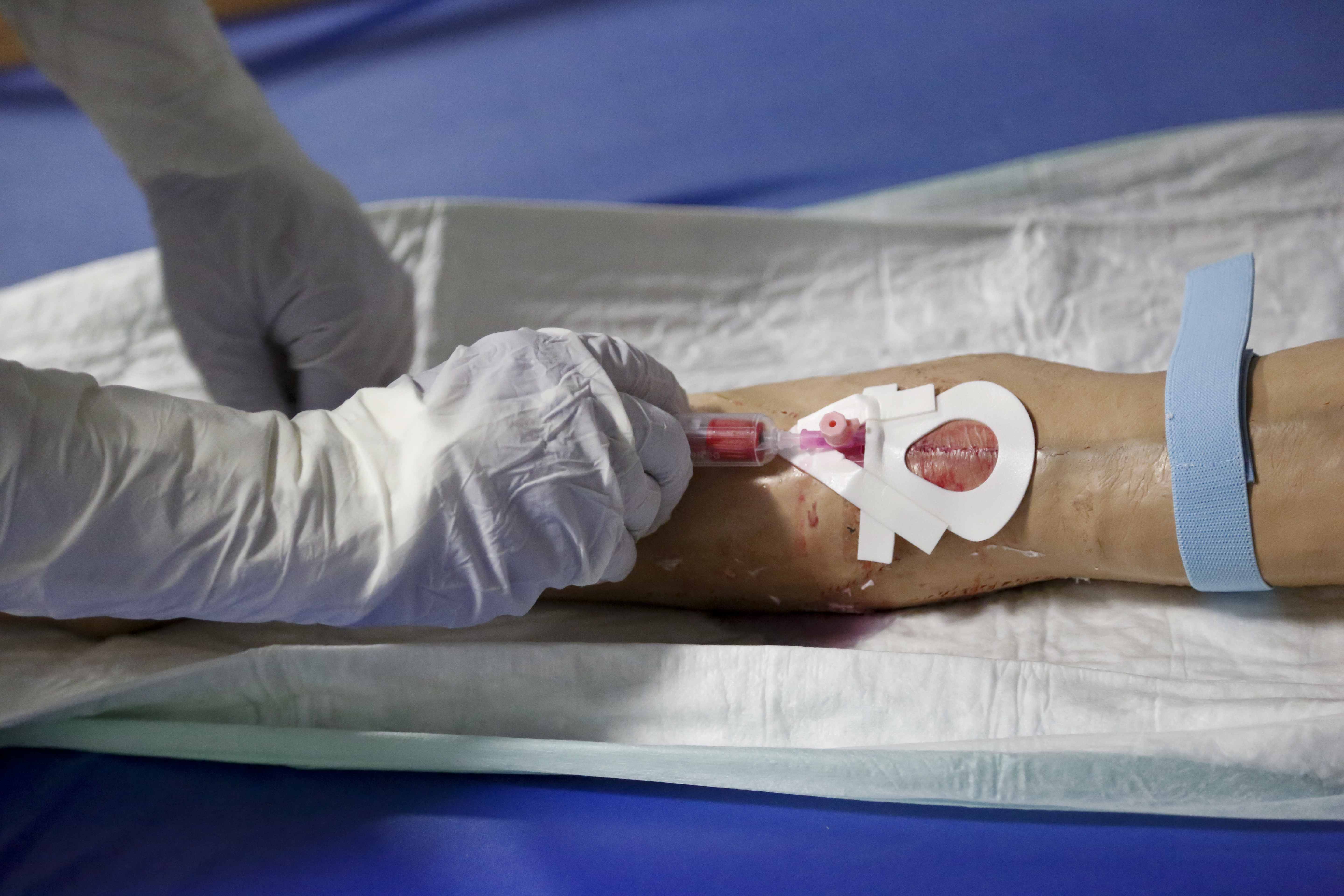
In the healthcare industry, Martin Sanders points out that mobile technology has been nothing short of a miracle of sorts. He explains that mobile technology has allowed for the unbelievable to happen, not just with COVID-19 but with other crises. Nowadays, doctors, nurses, and other healthcare professionals can reach people they cannot reach physically through mobile technology and deliver observations, diagnoses, and prescriptions, which never before could have been done. 

Image source: phys.org

Martin Sanders cannot fathom what the world would be like, especially today with the COVID-19 pandemic, without mobile technology. He is very much looking toward the future and what it holds with mobile tech's continued advancement.

What about you? What are your best and most practical safety applications of mobile tech in your life today? Feel free to share them with Martin Sanders in the comments section below.

Captain Martin Sanders, Ph.D., CSP, has more than a decade of service in the occupational and safety sector. He is well-versed in biological safety, field medical operations, biosecurity, occupational safety and health, infectious disease epidemiology, environmental health services, and occupational health and wellness programs. Visit this link to learn more about him.

Disclaimer: This site was prepared by Martin Sanders in his personal capacity. The opinions expressed are the author's own and do not reflect the views of the USPHS, the Department of Health and Human Services, the Department of Homeland Security, or the United States Government.

Monday, 11 December 2017

Clean Hands: The Importance Of Hand Hygiene

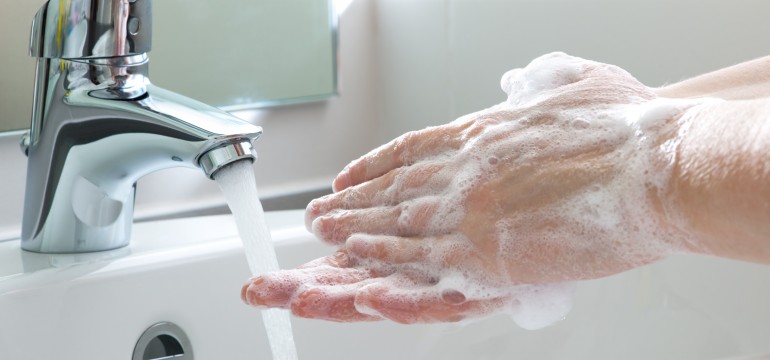
A great way to prevent infections is through hand hygiene, since many serious infections are caused by pathogens spread through skin to skin contact. While described by many healthcare workers as the single most important preventive act against the proliferation of infections, hand hygiene isn’t always done right—even by medical professionals.

They are invisible to the naked eye, yet pathogens can lurk in every area of a home or a hospital. Keeping the hands clean is important as merely touching objects may initiate or spread infections, especially when these are contaminated with organisms like Salmonella, E coli O157, and norovirus, which can be found in human and animal feces. This is particularly important in settings where immunocompromised persons reside or are treated.

Image source: initial.co.uk

The concept of hand hygiene was first introduced by Ignaz P. Semmelweis, a Hungarian physicist. He found that when physicians washed their hands before delivering babies, deaths among postpartum women were prevented. At first, Semmelweis was ridiculed, but his observation was later on recognized to be true. Upon his observation, numerous studies were conducted that have confirmed the role healthcare workers’ hands assume in the transmission of pathogens in the healthcare setting.


The World Health Organization has outlined the five moments of hand hygiene. These are: before patient contact; before aseptic task; after bodily fluid exposure; after patient contact; and after contact with patient surroundings. While hand hygiene concerns those in the field of healthcare the most, everyone is encouraged to keep their hands clean to prevent the spread of infections that are spread by people’s mundane actions.

Captain Martin Lloyd Sanders, Ph.D. is an officer in the Commissioned Corps of the U.S. Public Health Service. He obtained his degree in zoology from the University of California, Davis in 1990 and obtained his Ph.D. from the Department of Immunology and Infectious Diseases at the John Hopkins University School of Hygiene and Public Health in 1997. Learn more about Captain Martin Sanders by visiting this page.


Saturday, 30 September 2017

Basic occupational health and safety info for healthcare workers

There are millions of healthcare workers employed all over the world who constantly encounter multiple work-related hazards that may include any number of biological, chemical, physical, and psychosocial dangers and risks. Illnesses contracted and injuries sustained by workers in this industry could even be significantly higher than those in other sectors, including construction. 

Image source: commons.wikimedia.org

Homecare workers are also exposed to these hazards. Healthcare facilities do not only hire medical practitioners. Maintenance workers, staff, and other nonmedical employees are also susceptible to numerous occupational risks. It is often overlooked that healthcare workers and facility staff are not immunologically superior compared to the rest of the workforce. They should have the same rights as anyone when it comes to measures in place, financially and legally, that could protect them from the dangers in the workplace and remunerate them accordingly if in case they suffer work-related injuries. 

Basic health and safety protocols must be followed to avoid accidents. Pathogens can easily be transmitted from patients to medical personnel, so there must be enough protection. Immunization for workers should also be considered. They should be equipped with gears and appropriate hospital wear to prevent direct contact with fluids. Handling of chemicals will necessitate the use of protective apparel as well. 

Proper disposal of hospital waste and sharp implements must be observed always. There should be a facility-wide understanding of procedures. Other than diseases that could easily be contracted in such a workplace, physical injuries also abound. Proper gadgets and accessibility devices must be utilized to avoid musculoskeletal traumas and other problems. 

Image source: commons.wikimedia.org

Captain Martin Sanders, Ph.D., is an officer in the Commissioned Corps of the U.S. Public Health Service. He serves as the Director of Safety, Environmental Compliance and Emergency Management of the Federal Occupational Health, Program Support Center, Office of the Assistant Secretary for Administration. To know more about his professional work and affiliations, visit this page.