Showing posts with label occupational health and safety. Show all posts

Wednesday, 24 November 2021

Air pollution and public health

Image source: nrdc.org
Occupational health and safety concerns continue to become a serious matter today, notes safety expert Martin Sanders. There are consequences to having a developing world, and one of these is the increasingly poor quality of air. Certainly, air pollution becomes a challenge for public health.

This blog shares several facts that are worth looking at:

1. The biggest environmental risk of early death

It might surprise you to find out that air pollution is the biggest environmental risk of early death. Statistics show that this is responsible for 1 out of every nine deaths. That points to about 7 million deaths each year, and it is worth noting that this is more than the annual fatalities due to HIV, notes Martin Sanders.

2. More widespread than you would expect

There are 500,000 deaths related to air pollution each year in Europe, while there are 300 million people who live in places that have been tagged to have extreme air pollution. These places include India and China, where toxic fumes are six times higher than international guidelines.
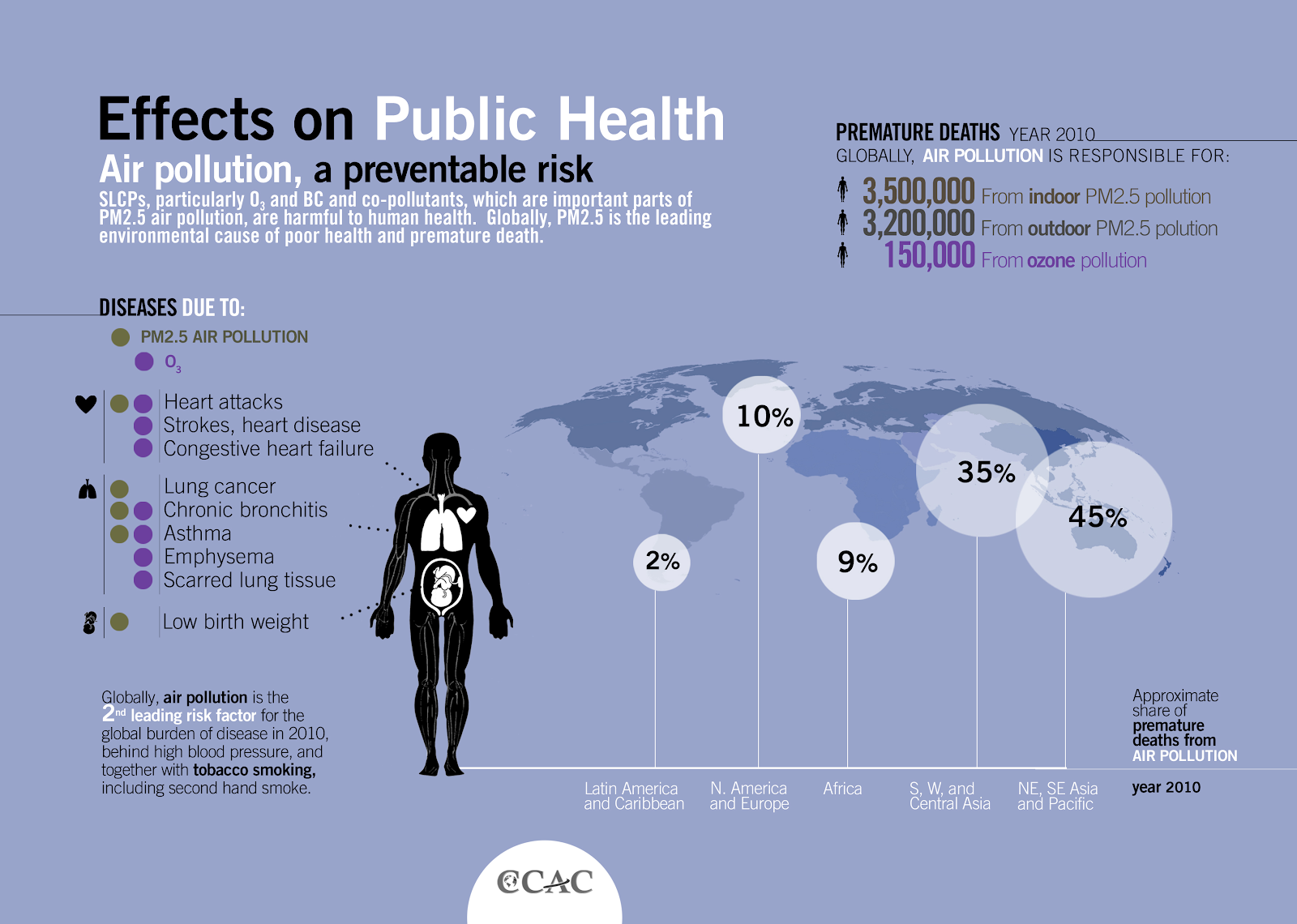
Image source: grida.no

3. A warning on tiny particles


According to experts, the most dangerous type of air pollution is characterized by the presence of tiny particles. They cause serious damage to the lungs, but this is the bare minimum damage they can cause. When these enter the bloodstream, they can poison various organs inside the body. Often, these are made of nitrates, sulfates, and mineral dust.

Capt. Martin Sanders, Ph.D., is a scientist and a commissioned officer of the U.S. Public Health Service. He continues to provide his expertise in public health and occupational safety by acting as a consultant. For updates, visit this page.

Disclaimer: This site was prepared by Martin Sanders in his personal capacity. The opinions expressed are the author's own and do not reflect the views of the USPHS, the Department of Health and Human Services, or the United States government.

Wednesday, 27 October 2021

Psychological safety as it relates to occupational health

Martin Sanders has developed a keen eye for matters that affect occupational health and safety because he truly understands its purpose. In fact, a lot of the success of occupational health and safety has to do with other aspects, which may not be obvious. In this entry, he talks about psychological safety as it relates to occupational health.

In Canada, psychological safety has become more inclusive in occupational health and safety policy, as directed by no less than the government. Prince Edward Island (PEI) Director of Occupational Safety Danny Miller himself pointed out the responsibility of employers in ensuring the safety of their people. He also made particular mention of the prevention of harassment in the workplace.

The need to revisit regulations and take in newer inclusions have undoubtedly resulted from a 2013 incident, which saw an employee die due to workplace bullying and other forms of workplace stress, based on the findings of the Workers Compensation Board.

While some things still need to be ironed out in the actual legislation that would take in new inclusions, the PEI government has already issued a statement notifying all employers of the changes that will eventually take effect. In the meantime, they are expected to take the time and the effort to prepare themselves and their organizations for the new rules.

Image source: hrmagazine.co.uk

This development is a testament to the quick recognition of the people in authority of the reality of workplace bullying and harassment, especially how this can pose a threat to employees' lives in the workplace.

As an expert in occupational safety and health, Capt. Martin Sanders has been helping out many business institutions in keeping their workforce more resilient against various challenges. For more updates, visit this page.

Disclaimer: This site was prepared by Martin Sanders in his personal capacity. The opinions expressed are the author's own and do not reflect the views of the USPHS, the Department of Health and Human Services, or the United States government.

Friday, 23 October 2020

The significance of workplace safety: A review


Martin Sanders has written quite a number of articles and blogs on workplace safety, simply because there is arguably nothing more important when it comes to the workplace. Following safety protocols should not only be mandatory; it should also be a priority. 

Image source: tradexsa.co.za


Decades ago, workplace safety was not really given the importance it deserved. However, today, businesses and management teams have become more aware to the many risks and hazards their offices and workplaces present. Building safety inspections have become stricter, laying down more requirements than ever before.

Nowadays, the existence of health hazards in a workplace can have more than just accidents as a consequence. It can be damaging to the reputation of a company. It can lead to lowered or even lack of productivity. It can negatively affect workplace moral. It can have legal repercussions, too. In fact, not fixing any safety issue in the workplace can now be considered a criminal act, and even more so, when an employee gets hurt, injured, or worse because of it. 

Image source: content.wisestep.com


Martin Sanders explains that while workplace safety primarily affects people’s lives, the absence of it will reach way beyond employee hospital bills. As such, it is for the best of everyone involved, and this includes the business owners and their clients, that companies put workplace safety above all.

Capt. Martin Sanders, Ph.D., has years of experience in the field of occupational safety and health. He recently obtained a certification as a Certified Safety Professional (CSP) awarded by the Board of Certified Safety Professionals. For similar reads, visit this page.

Disclaimer: This site was prepared by Martin L. Sanders in his personal capacity. The opinions expressed are the author's own and do not reflect the views of the USPHS, the Department of Health and Human Services, or the United States government.

Saturday, 30 September 2017

Basic occupational health and safety info for healthcare workers

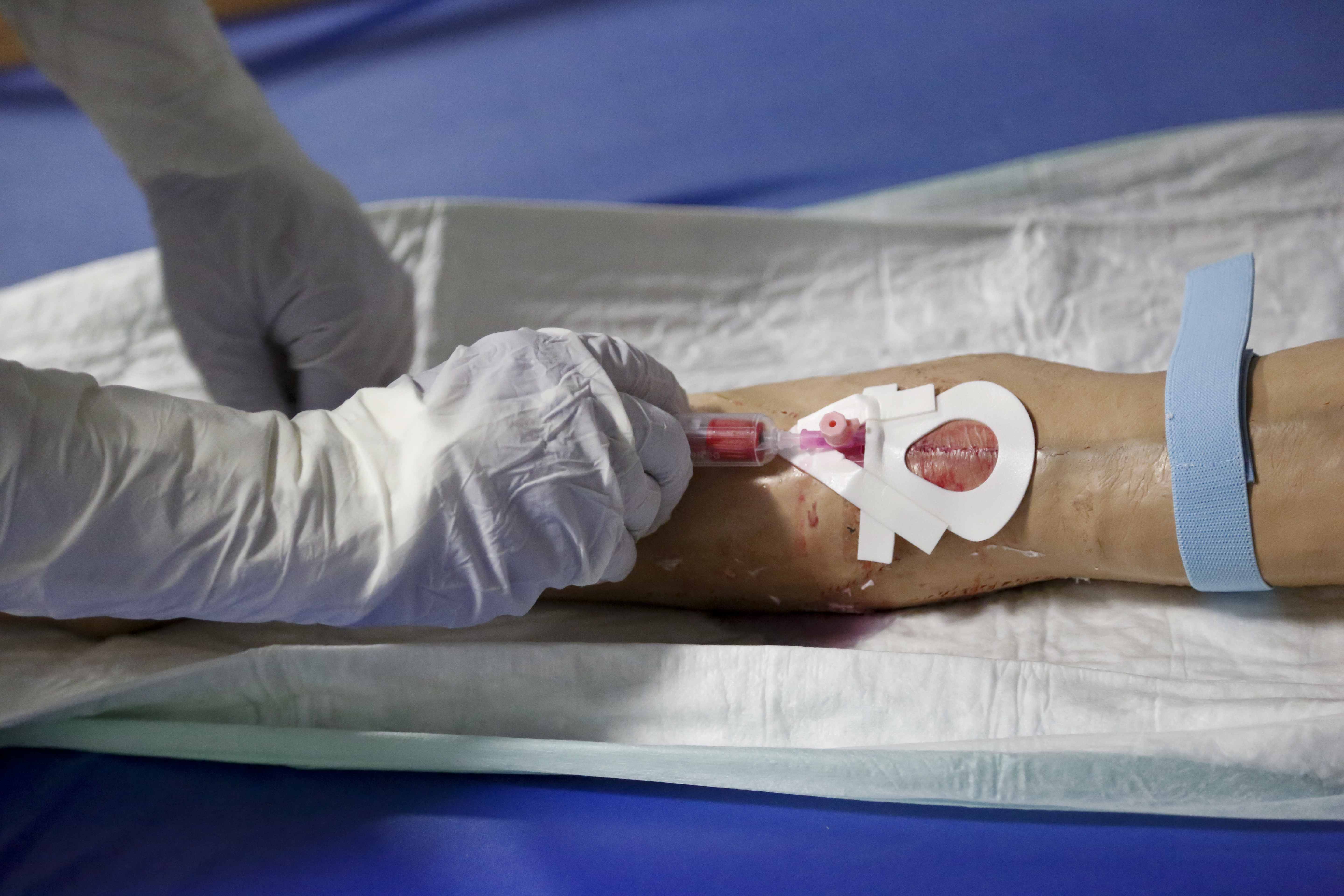
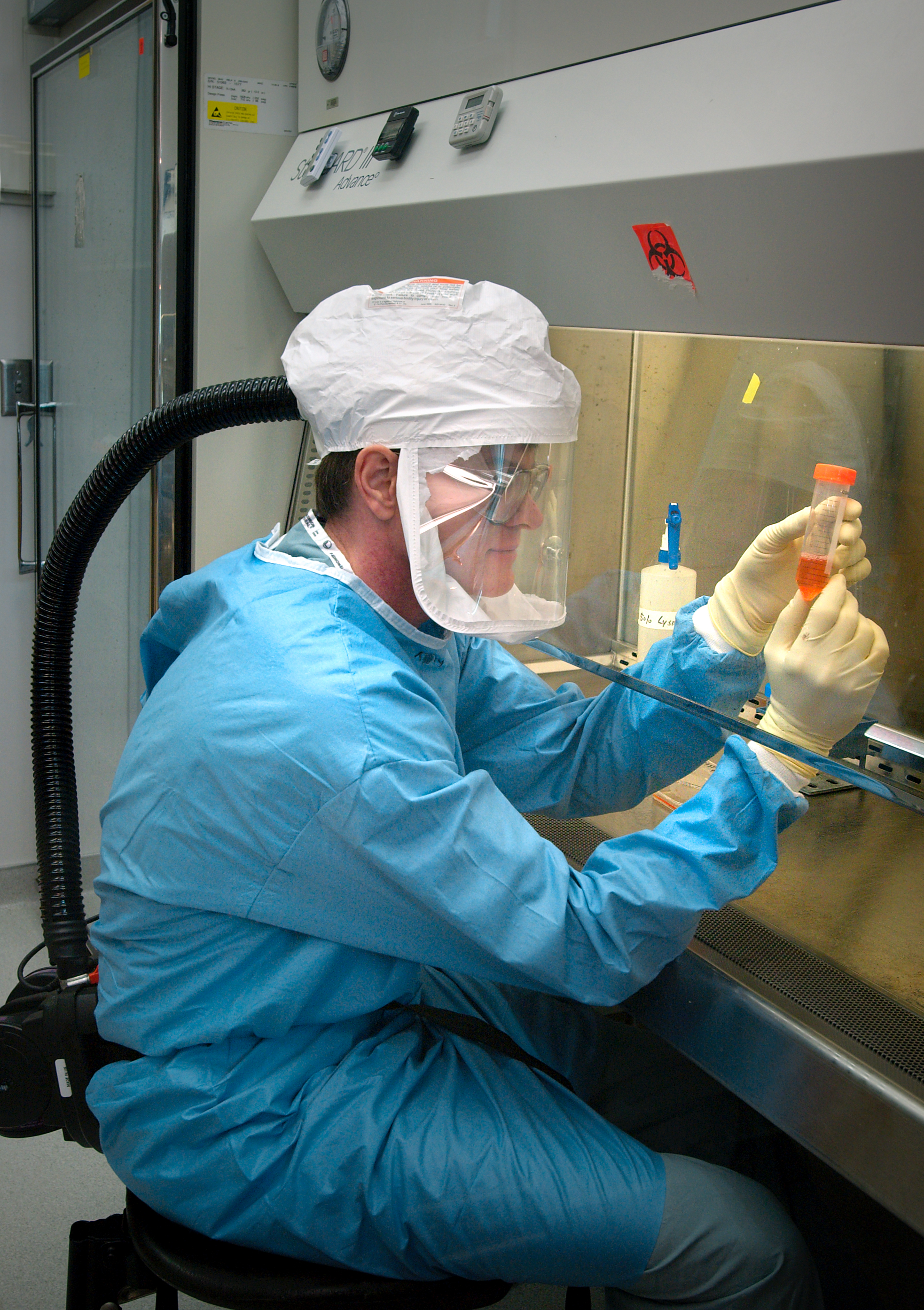
There are millions of healthcare workers employed all over the world who constantly encounter multiple work-related hazards that may include any number of biological, chemical, physical, and psychosocial dangers and risks. Illnesses contracted and injuries sustained by workers in this industry could even be significantly higher than those in other sectors, including construction. 

Image source: commons.wikimedia.org

Homecare workers are also exposed to these hazards. Healthcare facilities do not only hire medical practitioners. Maintenance workers, staff, and other nonmedical employees are also susceptible to numerous occupational risks. It is often overlooked that healthcare workers and facility staff are not immunologically superior compared to the rest of the workforce. They should have the same rights as anyone when it comes to measures in place, financially and legally, that could protect them from the dangers in the workplace and remunerate them accordingly if in case they suffer work-related injuries. 

Basic health and safety protocols must be followed to avoid accidents. Pathogens can easily be transmitted from patients to medical personnel, so there must be enough protection. Immunization for workers should also be considered. They should be equipped with gears and appropriate hospital wear to prevent direct contact with fluids. Handling of chemicals will necessitate the use of protective apparel as well. 

Proper disposal of hospital waste and sharp implements must be observed always. There should be a facility-wide understanding of procedures. Other than diseases that could easily be contracted in such a workplace, physical injuries also abound. Proper gadgets and accessibility devices must be utilized to avoid musculoskeletal traumas and other problems. 

Image source: commons.wikimedia.org

Captain Martin Sanders, Ph.D., is an officer in the Commissioned Corps of the U.S. Public Health Service. He serves as the Director of Safety, Environmental Compliance and Emergency Management of the Federal Occupational Health, Program Support Center, Office of the Assistant Secretary for Administration. To know more about his professional work and affiliations, visit this page.